
Estimated Read Time: 6 Minutes
Table of Contents
- Why Assagao Became a Food Hotspot
- What Makes Assagao Different from Other Goa Areas
- Why Culinary Pioneers Chose Assagao for Restaurants
- The Need for Heritage North Indian Food in North Goa
- Why We Chose Assagao for Gulaabo Ji
- Dishes and Drinks Worth Slowing Down For
- FAQs
Key Takeaways
- Assagao has grown into one of North Goa’s most distinctive dining destinations without losing its village character.
- Its old homes, shaded lanes and unhurried pace have attracted restaurants with clear culinary identities.
- The village is close to Anjuna, Vagator, Siolim and Mapusa, yet feels removed from the busier coastal belt.
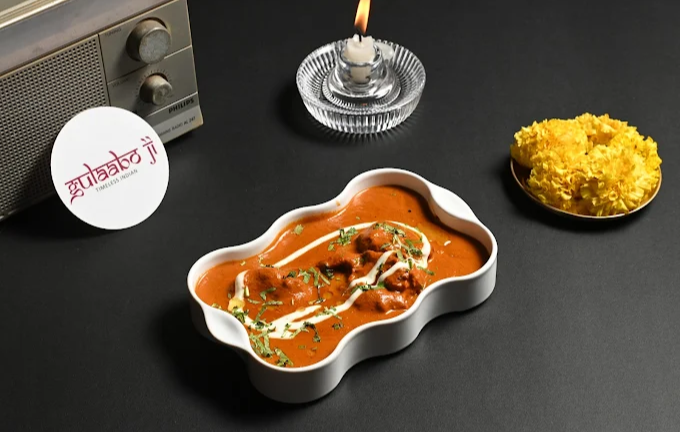
- At Gulaabo Ji, we bring regional Indian food, old recipes and a retro Indian diner experience to Assagao.
- Our menu includes Kakori Kebab, Gosht Champaran, Mutton Dak Bungalow and Lucknawi Murg Chaap Masala.
- Our cocktail menu draws from Indian ingredients and memories associated with growing up in the 1980s and 1990s.
Goa has always known how to feed a traveller. There is fish curry by the sea, beer at a shack, a table under the palms and lunch that somehow becomes sunset. But every food destination eventually develops another story, and in North Goa, that story began moving inland.
Assagao did not become popular because it tried to compete with the coast. It became popular because it offered something different: quieter roads, old homes, tables people did not feel rushed to leave, and restaurants built around one clear idea instead of menus trying to please everyone. That is how Assagao dining became more than a convenient meal stop. It became a reason to make the drive.
Why Assagao Became a Food Hotspot
Assagao’s rise did not happen overnight. Chefs, café owners and restaurateurs began looking beyond North Goa’s busiest stretches for spaces where they could build something more personal. The village offered old homes, courtyards, gardens and rooms with character already built into them.
It also offered the right balance. Assagao is close to Anjuna, Vagator, Siolim, and Mapusa. It is easy enough to reach, yet once you enter its narrower roads, the mood changes. People do not usually arrive here because they happened to pass a restaurant. They come because they have chosen one.
That distinction matters. A destination restaurant can be more specific. It can focus on a region, a memory, a style of cooking or a particular kind of hospitality. It does not have to become everything to everyone.
Today, people searching for restaurants in Assagao, North Goa, find cafés, bars, regional kitchens and dining rooms with very different points of view. Assagao became a food hotspot because diners were willing to travel for something with character.
What Makes Assagao Different from Other Goa Areas
Assagao has changed, but it has not completely erased what came before. You still see tiled roofs, shaded verandas, old windows and garden walls. Restaurants and boutiques may now occupy some of these spaces, but the village has not become one long commercial strip.
There are still pauses between places: a quiet house, a patch of trees, a church wall or a scooter passing through. That space affects the way people dine here.
The strongest places to eat in Assagao do not make you feel as though the table is already being prepared for the next guest. You can order slowly, talk properly and let the meal take its own time.
This does not mean every restaurant here is quiet or traditional. Assagao has range. What connects its better restaurants is that each one knows what it wants to be. That clarity is what diners remember.
Why Culinary Pioneers Chose Assagao for Restaurants
A good restaurant needs more than good food. It needs a setting that supports the idea. Assagao’s old homes offered high ceilings, courtyards, verandas and garden spaces that could become dining rooms without being stripped of their personality.
The village also attracted curious diners. Someone willing to leave the beach road and travel into Assagao was already looking for more than convenience. That gave restaurateurs permission to be specific. They could build around one cuisine, one memory or one style of service.
This is one reason the conversation around the best restaurants in Assagao keeps changing. The village does not have one formula that every restaurant follows. The better places are not copies of one another. They are committed to their own idea.
The Need for Heritage North Indian Food in North Goa
North Goa does not lack food. It has Goan kitchens, seafood restaurants, bars, cafés, international menus and familiar North Indian dishes.
What we felt still had room to grow was a more focused expression of regional North Indian cooking. There is a difference between ordering a familiar curry and eating a dish connected to a particular place, preparation and memory.
A Kakori Kebab carries the refinement of Lucknow. Champaran mutton comes from Bihar’s sealed-pot cooking tradition. Mutton Dak Bungalow carries traces of colonial Bengal. Biryani changes in character as it moves from one region to another. These are not simply dishes. They are edible addresses.
That is the space we wanted Gulaabo Ji to enter. For diners searching for North Indian food in North Goa, our aim was to offer more than a standard list of familiar restaurant favourites. We wanted to bring regional preparations, traditional techniques and familiar Indian memories together under one roof.
Not food for people unwilling to explore Goa, but food for people who understand that India itself contains many cuisines worth travelling for.
Why We Chose Assagao for Gulaabo Ji
We chose Assagao because the village already understood the pleasure of slowing down. That suited the restaurant we wanted to build.
Gulaabo Ji is a retro Indian diner inspired by the warmth and familiarity of the 1980s and 1990s. Not nostalgia arranged only for photographs, but the kind that sits quietly in the background: a song you have not heard in years, a familiar flavour or a drink named after something you once bought outside school.
We wanted the restaurant to feel comfortable before it felt impressive. Families should be able to settle in. Friends should be able to order for the table. Lunch should be allowed to run longer than expected without anyone checking the clock.
The food follows the same thinking. Our menu moves across India through kebabs, handis, curries, biryanis and breads. The dishes come from different regions, but they meet at one point: they are meant to be shared, remembered and returned to.
Dishes and Drinks Worth Slowing Down For
The Kakori Kebab is a good place to begin. Finely ground mutton, gentle spice and a texture soft enough to almost disappear on the tongue. Gosht Champaran is more robust, with mutton and spices cooked together in a sealed handi following a preparation associated with Bihar.
Mutton Dak Bungalow brings together mutton, potato and boiled egg in a mustard-oil bhuna masala. It is the kind of dish that feels familiar even when you are eating it for the first time. The Lucknawi Murg Chaap Masala pairs naturally with an Ulta Tawa Paratha, cooked on an upturned griddle until crisp enough to hold its own against the curry.
Vegetarian diners are equally considered. Suran Galouti, Paneer Dum Handi, Aloo Anardana and Hara Pyaz Paneer Tikka offer substance, texture and flavour without treating vegetarian food as an afterthought.
Our bar speaks the same language as the kitchen. Sol de Assagao brings together feni, kokum and Hajmola. Phantom Cigarettes takes its name from the candy cigarettes many children of the 1990s remember. Khatta Jamun combines tequila, jamun and the memory of brightly coloured ice pops during school holidays.
These drinks are playful, but they are not random. They belong to the same world as the food.
Here’s what one of our diners said
⭐⭐⭐⭐⭐
"It's the kind of place where families can settle in and truly enjoy a leisurely meal. The paneer dishes were the stars of the table — rich, perfectly seasoned, and cooked to perfection. Every bite reflected a commitment to quality and authenticity. It is easily one of the best restaurants we visited during our Goa trip and a place we would happily return to on our next visit."
By Srikanth Venkata Kapila, Google Reviews
Date : 25-06-2026